
[Summary] Ikeda Senshu HD’s Digital Bank for SMEs: A Strategic Move to Challenge Mega-banks?

(Original article in Japanese by Makoto Shibata was published for FinTech Journal on Sep. 16, 2025)
https://www.sbbit.jp/article/fj/171238

In July 2025, 01Bank, the new digital bank launched by regional banking group, Ikeda Senshu HD, is capturing significant attention. Unlike traditional financing models reliant on collateral and balance sheets, 01Bank pioneers “business value-based lending” by leveraging transaction data from e-commerce and cloud services. It is not a coincidence that the mega-bank like SMBC is expanding their reach to SME customers with their new digital banking offering  “Trunk” service. These digital finance competitions to capture the SME market in Japan seem to heat up.

Ikeda Senshu HD’s 01Bank: New Challenge

Ikeda Senshu Holdings, long dedicated to SME support, recognized the limitations of conventional lending for evaluating the growth potential of micro-businesses and new ventures. To solve this, the firm, which announced the concept in September 2023, officially launched 01Bank as a wholly-owned subsidiary in July 2025.

The launch is driven by three core strategic objectives: (1) To establish a new revenue model for regional financial institutions. (2) To expand data-driven finance. (3) To cultivate new markets through platform collaborations.

The Core Model: Business Value-Based Lending

01Bank’s primary service is an online-only lending model designed to visualize creditworthiness using data that traditional financial reports cannot measure. Companies apply via the web, sharing data on sales performance and project completion rates (in addition to financial statements) to enable faster screening and loan execution.

This evaluation relies heavily on Platformers (PFers)—partner companies like the major crowdfunding platform Makuake—which provide data integration infrastructure. This “PFer data model” enables a multifaceted assessment of business viability, allowing funding for newly established or unprofitable companies based on their customer base and business model. The reliability of this data model is crucial to mitigating fraud seen in the past score model lending.

Infrastructure and Strategy

01Bank’s infrastructure utilizes “BaaS by GMO Aozora Net Bank,” ensuring a flexible and scalable system while keeping development costs low. This lean approach is reflected in its initial capitalization of 2 billion yen (4 billion yen including capital surplus), a small fraction of the 10 billion yen typically raised by the past  net banks.

Looking forward, 01Bank plans to expand services beyond lending into payments and account services, aiming to evolve from a regional bank model into a comprehensive digital platform dedicated to supporting startups and local entrepreneurs.

SMBC’s Trunk: The Mega-bank Strategy for Efficiency

Sumitomo Mitsui Banking Corporation (SMBC) launched “Trunk” in May 2025, targeting SMEs and new corporations. The initiative aims to replicate the success of its individual-focused service, “Olive,” while addressing the corporate need for greater account convenience and efficient fund management.

Trunk offers a major differentiator in speed, allowing applications via smartphone or PC with service starting as early as the next business day, matching or exceeding net bank speeds while retaining mega-bank reliability. Notably, the service restricts enrollment to non-existing SMBC corporate account holders, positioning it as a tool for new customer acquisition.

A Deep Dive into Trunk: Low Cost and Integration

Trunk’s core features include:

  1. Low Cost: Free transfers to SMBC accounts and a flat 145 yen (tax included) fee for other banks, significantly undercutting existing mega-bank services.
  2. Operational Efficiency: It automates payments for taxes, social insurance, and Japan Finance Corporation repayments. Future integration includes features like a bill payment function that uses smartphone photos to automate data entry and transfers.
  3. Ecosystem Integration: Trunk integrates financial and business support by offering simultaneous application for the Sumitomo Mitsui Card Business Owners card (requiring no corporate registration documents) and providing free limited-time access to key SaaS platforms (Google Workspace, Microsoft 365, freee accounting, etc.).

Trunk is designed to evolve into a comprehensive financial platform offering factoring and AI-powered financial advice. By the 2026 fiscal year, SMBC plans to introduce new cards with an AI credit engine and the “Finance Agent” concept, an AI that predicts funding needs and assists with subsidy applications.

The Evolving Landscape of SME Finance

The concurrent launches of 01Bank and Trunk underscore the escalating demand for digital services among Japan’s over 3 million SMEs. This growth is attracting major financial players, as seen by Mizuho Bank’s acquisition of a controlling stake in UPSIDER (July) and Mitsubishi UFJ Bank’s collaboration with LayerX (September) on operational efficiency tools.

The competitive landscape now includes net banks like GMO Aozora Net Bank (BaaS provider) and Sumishin SBI Net Bank (which launched Bill One Bank in 2024). Traditional players like Rakuten Bank and PayPay Bank are also actively expanding their corporate account base.

For regional banks, maintaining customer engagement requires enhancing digital capabilities. The specialized, lending-focused service of 01Bank, supported by BaaS, offers a clear roadmap for other regional financial institutions. Since competing with mega-banks on comprehensive strength is difficult, regional players must focus on developing distinctive, targeted services.
[Summary] Scandals Continuing in Financial Institutions: Strengthening Internal Crime Prevention

(Original article in Japanese was published for FinTech Journal on Mar. 13, 2025)
https://www.sbbit.jp/article/fj/159244

Financial institutions rely on trust, yet cases of embezzlement, fraudulent loans, and insider trading continue to emerge. Despite various preventive measures, compliance alone is not enough to stop internal misconduct. This article explores the root causes of internal crimes and the necessary steps for financial institutions to strengthen prevention.

Noticeable Scandals and Their Impact

Recent cases, such as embezzlement from safety deposit boxes by veteran employees, highlight severe reputational risks for financial institutions. Scandals not only erode customer trust but also impact financial firms’ appeal in employment rankings. Although banks allocate resources to address misconduct, their effectiveness remains questionable.

How Financial Institutions Respond to Internal Crimes

Japan’s Financial Services Agency (FSA) mandates banks to report misconduct within 30 days, but ineffective internal controls can allow fraud to go undetected. Many institutions publicly disclose scandals, with a typical protocol, including apologies, commitments for cooperating with law enforcement, incident details, accountability measures, and preventive steps.

Common Elements in Fraud Prevention Strategies

A review of multiple cases shows three key areas of preventive measures:

  • Strengthening Corporate Governance – Establishing independent audit committees, enhancing board expertise in legal and financial crimes, and improving whistleblower systems.
  • Enhancing Risk Management & Internal Controls – Creating independent risk departments, conducting frequent internal audits, and implementing regular compliance checks.
  • Cultivating a Compliance Culture – Enforcing ethical standards, mandatory compliance training, and revising incentive structures to promote long-term sustainability.

Why a Shift from Stereotype Notion Is Needed

Even with strict governance, internal crimes persist. Institutions assume employees are trustworthy, yet fraud cases indicate that some individuals will inevitably exploit the system. The focus should shift to early detection and rapid response, ensuring misconduct is addressed swiftly to minimize damage.

Internal Fraud Detection based on Evil Human Nature

Given the limitations of manual audits, financial institutions are turning to AI-powered fraud detection to maintain fair oversight:

  • Fraud Detection Systems – AI analyzes employee transaction patterns in real time, flagging unusual activities.
  • Employee Activity Monitoring – AI detects suspicious log activity and alerts management.
  • Access Control Management – Restricts unnecessary data access and prevents external data leaks.

AI-Powered Initiatives in Japan

  • Mitsubishi UFJ Bank introduced AI-driven AML (Anti-Money Laundering) checks.
  • Mizuho Financial Group’s Blue Lab developed “AiHawk Filter”, an AI audit system detecting fraud risks in emails and documents.

The Reality: Fraud Can’t Be Eliminated, Only Minimized

Despite various preventive measures announced by financial institutions, internal fraud cannot be entirely eradicated. The most practical approach is to detect fraud early and minimize losses. Moving forward, financial institutions must reduce reliance on manual monitoring and accelerate technology-driven fraud prevention efforts.

[Summary] JR West’s “All-in-One” Payment Service “Wesmo!”—Its Three Strategic Goals, Challenges, and Prospects

(Original article in Japanese was published for FinTech Journal on Jan. 6, 2025)
https://www.sbbit.jp/article/fj/156810

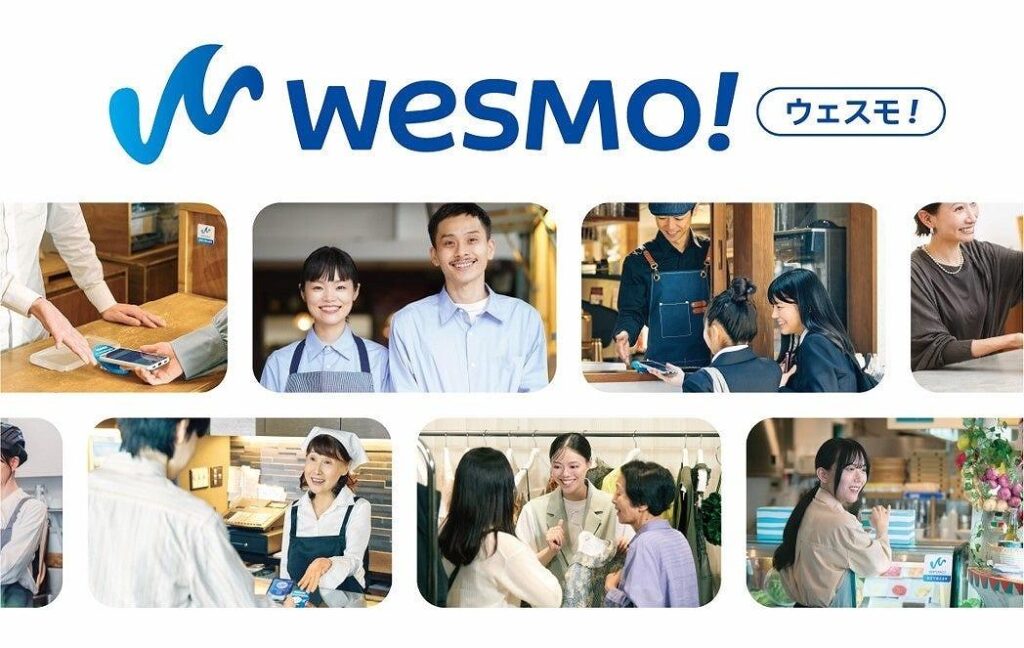
JR West will launch “Wesmo!” in Q1 of fiscal year 2025, an ambitious cashless payment and wallet service integrating various financial functions. This move reflects a growing trend of railway companies expanding into financial services.

What is Wesmo! and JR West’s Financial Expansion? (Source: JR West Press Release)

What is Wesmo!?

Announced on January 21, 2025, Wesmo! aims to enhance daily and business transactions. JR West, the first railway operator registered as a Type II Funds Transfer Service Provider, offers:

For Individual Users

  • Charge Function: Load funds via bank accounts, Seven Bank ATMs, or J-WEST Cards.
  • Money Transfer: Peer-to-peer transactions among users.
  • Point Integration: Earn and use WESTER Points across ICOCA and J-WEST Card services.

For Merchants

  • Low-Cost Payment Solution: “BLUE Tag Touch” with zero setup cost and a 1.9% transaction fee.
  • Fast Revenue Collection: Next-day settlements.
  • B2B Transfers: Free supplier payments to improve efficiency.

Payment Methods

  • BLUE Tag Touch: Tap to pay via smartphone.
  • QR Code Payment: Alternative for stores without BLUE Tags.

Launch Timeline & Future Features

Merchant recruitment began in January 2025, with planned expansions including:

  • ICOCA Charging: Direct top-ups via the Wesmo! app.
  • Digital Salary Deposits: Pending government approval, offering payroll integration.

Strategic Goals

  1. Higher-Value Transactions: Competes with QR code and credit card payments, supporting transactions up to ¥1 million.
  2. Expanded Transfer Capabilities: Unlike Suica, Wesmo! enables peer-to-peer transfers but imposes limits based on identity verification level.
  3. Aggressive Merchant Acquisition: Competitive transaction fees (1.9% vs. PayPay’s 1.98%) and next-day payouts enhance merchant appeal.

JR West’s Other Financial Activities, Digital Bonds

In June 2024, JR West issued “WESTER Bonds” using blockchain, engaging investors with loyalty rewards and exclusive perks, reinforcing ties with customers beyond traditional railway services.

Railway-Finance Synergy

Railway and airlines are increasingly integrating financial services:

  • JR East: Launched “JRE Bank” in 2024, offering up to 40% Shinkansen fare discounts.
  • Keio Corporation: Introduced “KEIO NEOBANK” in 2023.
  • Airlines: JAL and ANA have integrated banking and payment services.

However, nationwide adoption may take some time; Suica and ICOCA interoperability took a decade, making Wesmo!’s broader expansion a long-term challenge.

Challenges & Prospects

Wesmo! offers comprehensive features but faces a saturated cashless payment market. With 9 million Wester members, JR West has a solid foundation, yet widespread adoption will take some time. Additionally, differing strategies within the JR Group may hinder nationwide implementation.

While Wesmo! is well-positioned for success, overcoming competition and scaling effectively will be crucial for long-term sustainability.